Sterility testing is an important quality control procedure that evaluates whether research materials contain viable microorganisms that could interfere with laboratory experiments. By identifying microbial contamination before materials are used, sterility testing helps support experimental consistency and reliable scientific data. When combined with analytical techniques such as LC-MS, HPLC, and batch-specific documentation, it forms part of a comprehensive laboratory quality assurance program.
What Is the Purpose of Sterility Testing?
The primary purpose of sterility testing is to determine whether a research material is free from viable bacteria, fungi, or other microorganisms under validated laboratory conditions.
Unlike analytical chemistry methods that evaluate chemical composition, sterility testing focuses exclusively on microbiological quality. This distinction makes it an important complement to other laboratory analyses rather than a replacement for them.
Researchers use sterility testing as part of broader quality control strategies designed to reduce variables that could influence experimental outcomes.
Materials That May Undergo Sterility Testing
Depending on laboratory requirements, sterility testing may be performed on:
- Research peptides
- Laboratory reagents
- Cell culture materials
- Biological research products
- Experimental laboratory samples
The need for sterility testing depends on the intended research application and laboratory protocols.
How Is Sterility Testing Performed?
Validated microbiological methods are used during sterility testing to determine whether microorganisms are present within a sample.
The testing process is performed under carefully controlled laboratory conditions to minimize external contamination while allowing microorganisms, if present, to be detected through established microbiological procedures.
Although testing methods vary according to applicable standards and material type, laboratories follow standardized protocols to produce reliable and reproducible results.
What Sterility Testing Evaluates
Sterility testing helps laboratories identify:
- Bacterial contamination
- Yeast contamination
- Mold contamination
- Other viable microorganisms
Detecting these contaminants before experimentation helps reduce the risk of compromised research findings.
How Does Sterility Testing Complement Analytical Chemistry?
Quality evaluation involves multiple analytical techniques because each provides different information about a research material.
Sterility Testing and LC-MS
Liquid Chromatography–Mass Spectrometry (LC-MS) verifies molecular identity by measuring molecular mass after chromatographic separation.
Sterility testing does not assess molecular identity. Instead, it evaluates microbiological contamination that may not be detected through chemical analysis alone.
Sterility Testing and HPLC
High-Performance Liquid Chromatography (HPLC) measures peptide purity by separating chemical components within a sample.
By comparison, sterility testing focuses on the presence or absence of viable microorganisms. Together, these methods provide complementary information regarding both chemical and microbiological quality.
Why Is Documentation Important for Sterility Testing?
Reliable laboratory research depends on complete quality documentation that allows scientists to verify testing performed on research materials.
Certificate of Analysis (COA) and Sterility Testing
Researchers commonly review a Certificate of Analysis (COA) for information including:
- Batch identification
- Identity verification
- Purity results
- Analytical methods
- Storage recommendations
- Manufacturing details
When microbiological testing has been conducted, related documentation may also support laboratory quality records and improve traceability throughout the research process.
How Does Sterility Testing Support Experimental Reproducibility?
Reproducibility depends on controlling as many experimental variables as possible. Microbial contamination represents one variable that can introduce unexpected changes into laboratory studies.
Researchers strengthen reproducibility by combining:
- Sterility testing where appropriate
- Batch consistency verification
- Third-party analytical testing
- Transparent quality control procedures
- Standardized laboratory documentation
These quality assurance measures help laboratories compare findings across different studies with greater confidence.
Supporting Reliable Research Through Quality Assurance
Quality assurance extends beyond a single laboratory test. Comprehensive analytical verification, documented manufacturing processes, proper storage, and detailed laboratory records all contribute to reliable scientific investigations.
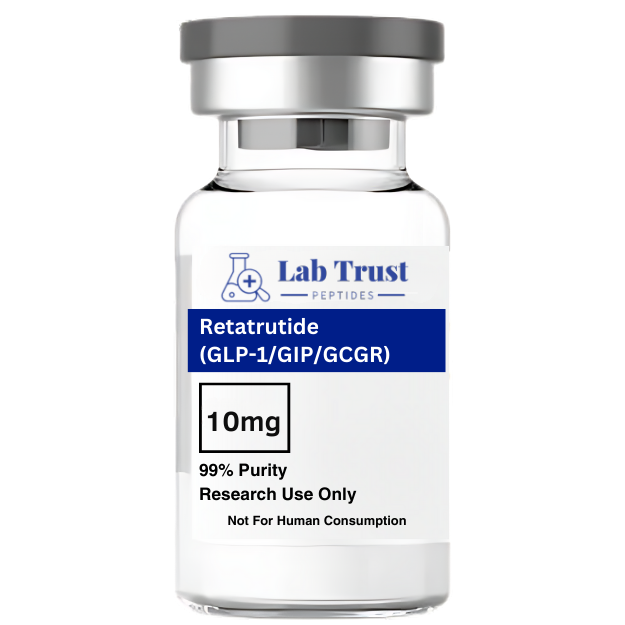
For example, Lab Trust Peptides supplies research-use-only peptides supported by Certificates of Analysis, LC-MS verification, HPLC purity analysis, third-party testing, and transparent quality documentation. These resources help researchers evaluate peptide materials using multiple quality indicators before laboratory use.
Conclusion
Sterility testing is a valuable component of laboratory quality control because it evaluates microbiological contamination that cannot be identified through analytical chemistry alone. When combined with LC-MS identity verification, HPLC purity testing, Certificates of Analysis, batch consistency, and comprehensive documentation, sterility testing helps laboratories establish a stronger quality assurance framework. These practices support reproducible scientific research while ensuring research-use-only materials are evaluated through multiple complementary quality standards.